

Hong Kong Stocks Daily Brief: Airlines Fly Higher, Pharma Stays Steady, Buybacks Keep Rolling
Keywords: Hong Kong stocks, corporate announcements, Cathay Pacific, Jacobson Pharma, Safety Godown, Yancoal? no, buybacks, Tencent, Xiaomi, market updates
Introduction
Hong Kong stocks kicked off the day with a fresh batch of corporate announcements, and the theme is pretty clear: some companies are seeing solid operating momentum, some are still dealing with pressure from costs or asset revaluations, and the big names continue to show confidence through buybacks.
What stands out most today is that the market is still very much a “stock pickers’ market.” You can see growth in travel demand, resilience in healthcare, and aggressive capital return from tech leaders. At the same time, some property and logistics-related businesses remain under pressure, reminding investors that not every recovery happens at the same speed.
Let’s break down the key headlines.
Travel Rebound Continues to Support Cathay Pacific
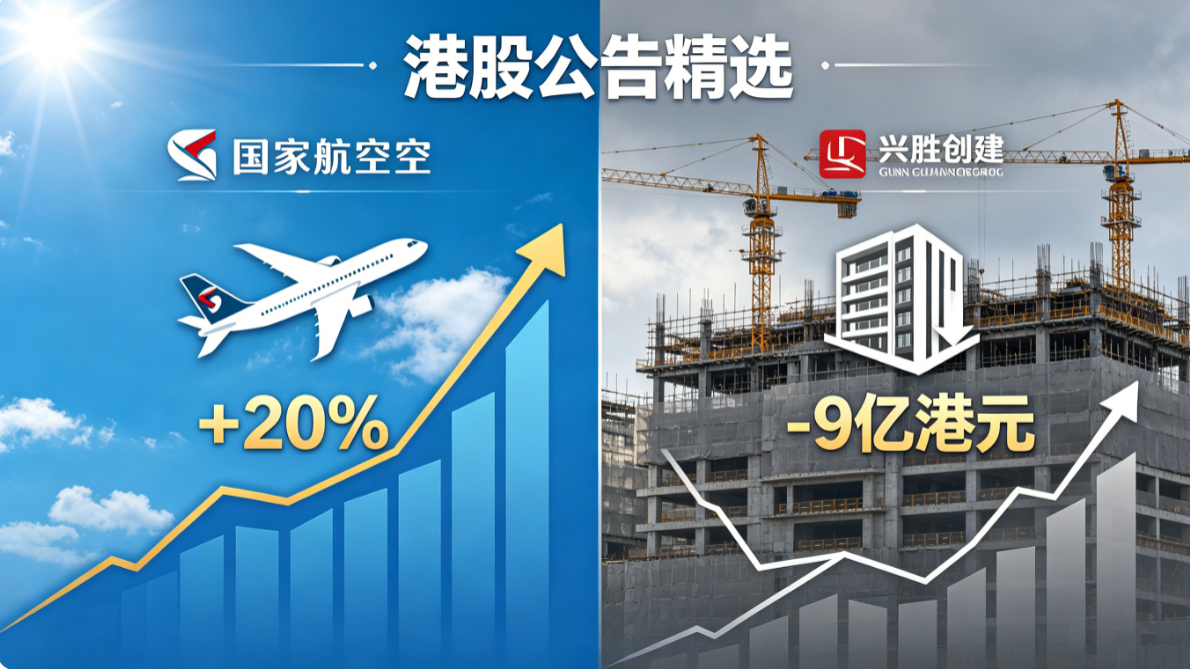
Cathay Pacific reported that its passenger traffic in May rose 17% year on year, while available seat kilometers increased 10%. For the first five months of the year, cumulative passenger volume was also up 19% from a year earlier.
That’s a healthy number, and it suggests demand for air travel remains strong. The fact that passenger growth outpaced capacity growth is especially encouraging, because it hints at better load factors and potentially firmer pricing power.
In simple terms: more people are flying, and the airline is not just adding seats for the sake of it. If demand keeps running ahead of supply, Cathay could continue to benefit from a favorable operating environment.
Pharma Names Show Mixed but Stable Performance
Jacobson Pharma Holds Up Well
Jacobson Pharma announced its annual results for the year ended March 31, 2026. Revenue came in at HK$1.569 billion, down only 0.47% year on year, while net profit rose slightly by 0.26% to HK$302 million.
This is not a dramatic growth story, but it is the kind of result investors often appreciate in the healthcare sector: stable revenue, controlled profitability, and limited volatility. In a market where many sectors swing wildly with economic cycles, steady pharmaceutical earnings can look quite attractive.
China Biologic Products Gets a New Drug Filing Accepted
China Biologic Products said its “CLDN18.2 ADC” new drug application has been accepted. This is an important development because CLDN18.2 has become a hot target in oncology research, and ADCs are one of the most closely watched drug platforms in the biotech world.
While acceptance of a filing is not the same as approval, it is still a meaningful step forward. For investors, this kind of announcement often matters because it can affect expectations around pipeline value, commercialization timing, and long-term competitiveness.
Property, Logistics, and Operating Costs Remain a Headache
Safety Godown Narrows Losses
Safety Godown reported annual revenue of HK$160 million, down 9.67% year on year, but its net loss narrowed by 51.59% to HK$129 million.
That’s a mixed bag, but the narrower loss is at least a positive sign. It suggests the company may be controlling some cost pressures or benefiting from better financial management. Still, the revenue decline shows the business is not out of the woods yet.
Yau Lee Group Feels the Weight of Expenses
Yau Lee Group posted annual revenue of about HK$10.922 billion, up 13.5% year on year. However, it also reported a loss of about HK$204 million, which widened sharply by 106.07%. The company said the main reason was higher operating expenses.
This is a classic example of why revenue growth alone does not tell the whole story. If costs rise too fast, top-line expansion can quickly turn into bottom-line disappointment. For investors, the key question is whether those higher expenses are temporary or structural.
Hsin Chong Holdings Faces Large Losses from Asset Sales and Revaluations
Hsin Chong Holdings expects to record a loss of between HK$880 million and HK$900 million for the year ended March 31, 2026. The company said the main reasons include asset disposals and revaluation of held properties.
This one is less about day-to-day operations and more about accounting and balance sheet adjustments. Losses tied to revaluation can look ugly on paper, but they sometimes reflect a more realistic asset picture. Still, it is clearly not a headline investors want to see.
Strategic Moves and Asset Transactions
Noah Holdings? Not here — Nobeikan strengthens smart airport business
Nobeikan announced that its subsidiary Shaanxi Huibo received a HK$40 million capital injection, with a focus on smart airport business.
This is the kind of move that signals strategic ambition. Smart infrastructure, especially in airports, is a theme with long-term potential as travel, automation, and digital systems become more integrated. A capital increase suggests the company wants to push harder into this area rather than treat it as a side project.
Solidus? Actually, Solid? No — Gushengtang expands through acquisitions
Gushengtang said its subsidiary will acquire 100% of SANTE CLINICS and SANTE TCM, as well as 90% of Tianjin Bai Nian Ren Yi Tang.
This looks like a typical healthcare consolidation play: buy scale, broaden service coverage, and strengthen network effects. For traditional Chinese medicine and clinic chains, integration can be the difference between steady expansion and fragmented growth. If execution is smooth, this kind of acquisition can help strengthen market position.
Nanjing Panda Parks Cash in Structural Deposits
Nanjing Panda Electronics said its subsidiary subscribed to a total of HK$160 million in structured deposit products.
This may not sound exciting, but it does show the company is managing liquidity actively. Structured deposits are often used by companies that want some yield on idle cash without taking on too much risk. In a softer business environment, that kind of treasury management can matter more than people think.
Xing Xing Group Plans Property Sale
Xing Xing Group’s subsidiary plans to sell a Zhuhai property for HK$50 million.
Asset sales like this often serve multiple purposes: raising cash, reducing debt, or refocusing the business. The market usually watches these deals closely to judge whether the company is selling non-core assets at a reasonable price or simply trying to patch up short-term pressure.
Buybacks and Shareholder-Friendly Signals
Tencent Keeps Buying Back
Tencent repurchased 1.19 million shares for about HK$500.7 million, at prices ranging from HK$413.6 to HK$431.2 per share.
That is a strong signal of confidence. Tencent’s buyback program has long been watched as a key support factor for the stock, and today’s action shows management still sees value at current levels. Buybacks do not fix everything, but they do tell the market that the company believes its own shares are worth owning.
Xiaomi Also Joins the Buyback Club
Xiaomi repurchased 8.44 million shares for about HK$193 million, with prices between HK$22.58 and HK$23.18.
Like Tencent, Xiaomi’s buyback reflects management confidence and a desire to support shareholder value. For a company balancing smartphone competition, EV ambitions, and broader ecosystem growth, capital allocation matters a lot. A buyback can also help smooth sentiment during periods of volatility.
New Tian Green Energy Sees Fund Increase Stake
New Tian Green Energy disclosed that Guofu Fund increased its holdings by 10.391 million shares.
This kind of movement often catches investors’ attention because it suggests institutional confidence. Large fund accumulation does not guarantee future performance, of course, but it does imply that some professional investors see value in the name.
Conclusion
Today’s Hong Kong stock announcements paint a pretty balanced picture. On one side, Cathay Pacific is benefiting from strong travel demand, while pharma names like Jacobson and China Biologic continue to show resilience and pipeline progress. On the other side, some companies are still wrestling with rising costs, asset revaluations, or revenue softness.
Meanwhile, the buyback activity from Tencent and Xiaomi continues to stand out. In a market where sentiment can shift quickly, these repurchases often serve as a reminder that the biggest players are still willing to put real money behind their own valuation.
Overall, the message from today’s announcements is simple: growth is there, but so is pressure. For investors, that means keeping an eye not just on revenue headlines, but on margins, capital allocation, and strategic execution. That’s where the real story usually lives.